
CRAFTS / OCTOBER 13, 2026 / BY STACEY SAVARESE
ANALOG HOBBIES & SLOW CRAFTING
Slow Crafting Ideas: Book Sleeves, Family Memories, and Fabric I Want to Touch
I came home from a Saturday fabric-store trip with two prints, a book-sleeve plan, and a reminder that making something by hand can be its own reward.
See the seven project decisions
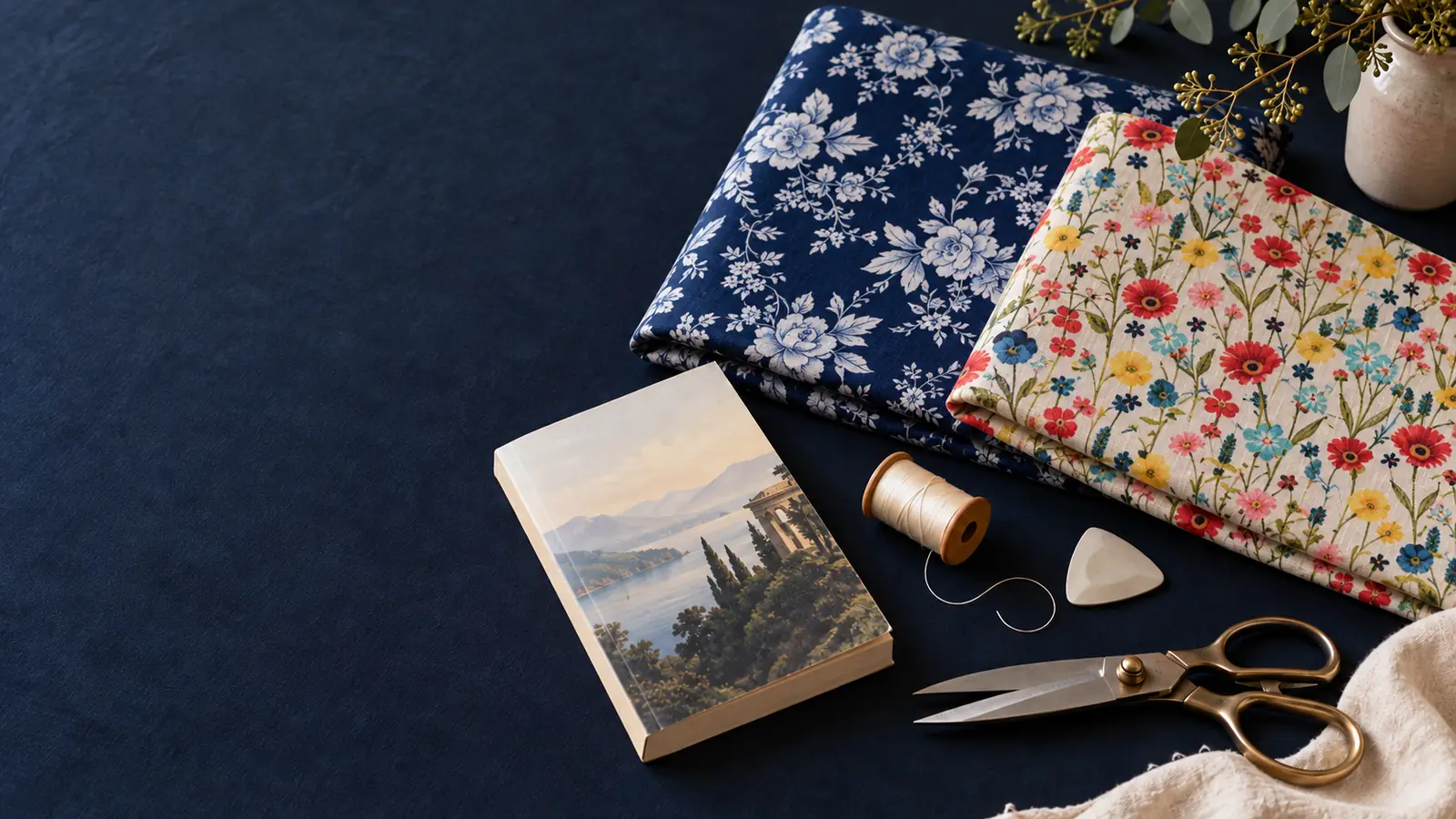
Slow crafting ideas do not have to begin with a complicated pattern. On Saturday I went to Hobby Lobby and bought two fabrics I could not leave behind: deep navy with pale floral vines and a bright, multicolor wildflower print with poppy-like red blooms that reminded me of my mother’s painting. I am planning to sew book sleeves with them. I have not made them yet, and that unfinished state is part of the pleasure.
I did not slide back into making because I was ahead of a trend. Money got tighter. But the unexpected reward is how happy I feel touching fabric, imagining its next use, and choosing one small thing I can make with my hands.
People call the return to offline making analog hobbies. “Slow crafting” speaks to the pace; “grandmacore” describes some of the nostalgic look. What stays with me is simpler: my grandmother sewed, my mother-in-law crocheted and did punch needle, and I loved the handmade gifts she made for my children.
The Project List
1. Choose the fabrics
2. Measure a real book
3. Test a scrap-fabric version
4. Keep the memory in the print
5. Buy for one project
6. Plan a punch-needle cushion next
7. Give old fabric another job
More from Charmed Curation
Sewing for Beginners: A Practical Guide to Starting Again
7 Easy Sewing Projects for Beginners That Build Real Skills
Sewing Tools for Beginners: What You Need and What Can Wait
THE HANDMADE PLAN
Seven Decisions That Keep This Project Slow and Useful
01 / Start with the fabrics that stopped me
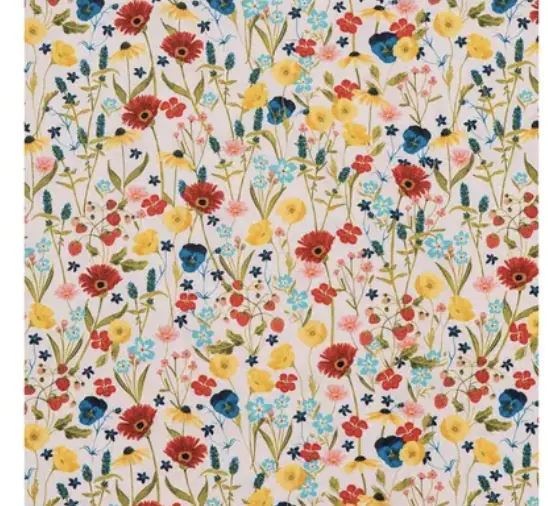
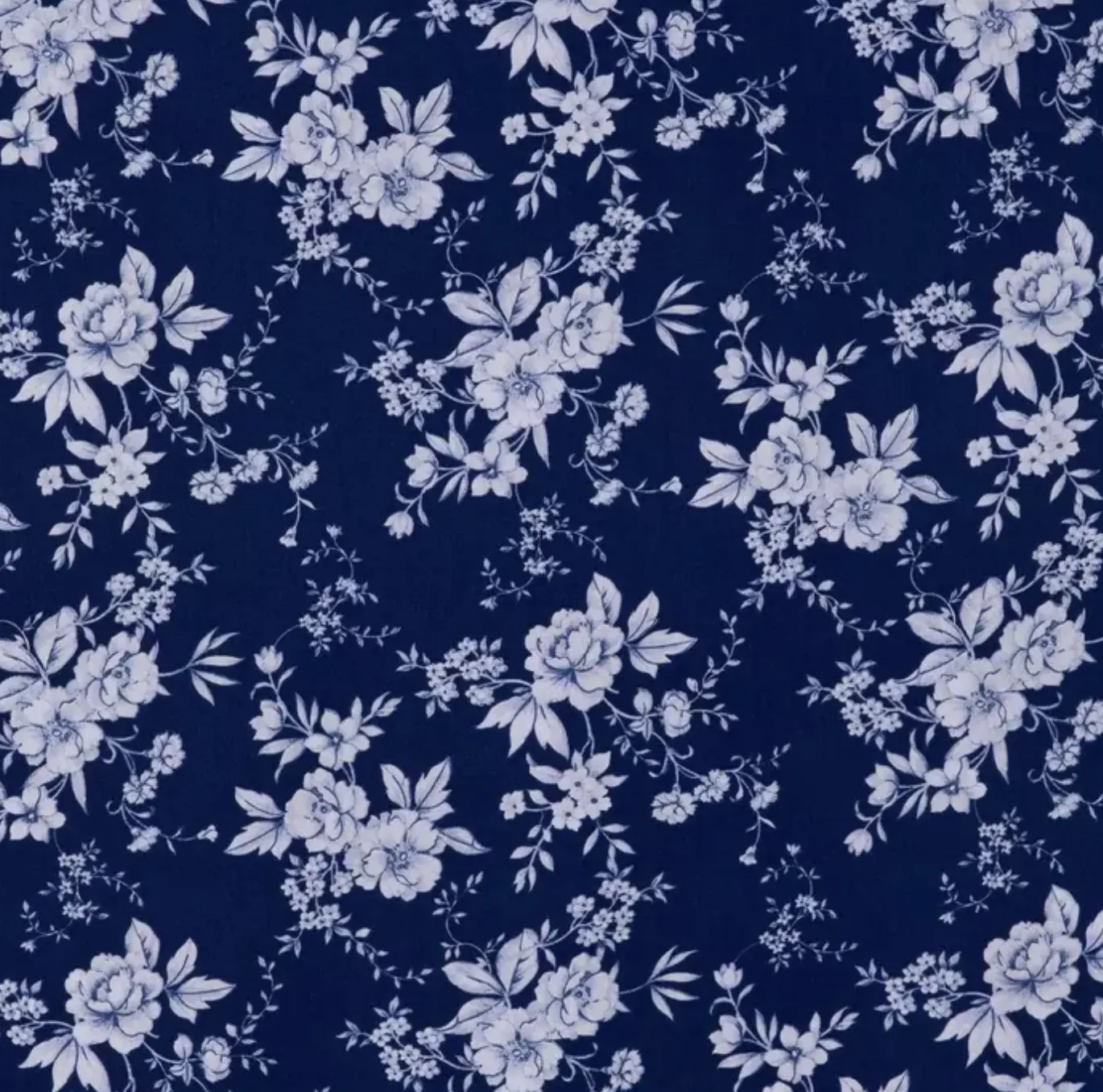
On Saturday I went to Hobby Lobby and bought two fabrics that made me stop: deep navy with pale floral vines, and a lively wildflower print scattered with yellow, blue, turquoise, pink, and poppy-like red blooms. The second one reminded me of my mother’s painting. I did not go looking for a trend. I was looking at cloth.
I am planning to turn them into book sleeves. The navy feels composed and a little dressy; the wildflowers are all personality. I have not decided whether they will share one sleeve or become two. I want to put them beside the books I actually carry before I cut anything.
Charmed Tip: Before you buy a coordinating fabric, lay the prints together in daylight. A lining can be a surprise; it does not have to match perfectly.
02 / Let one real book set the size
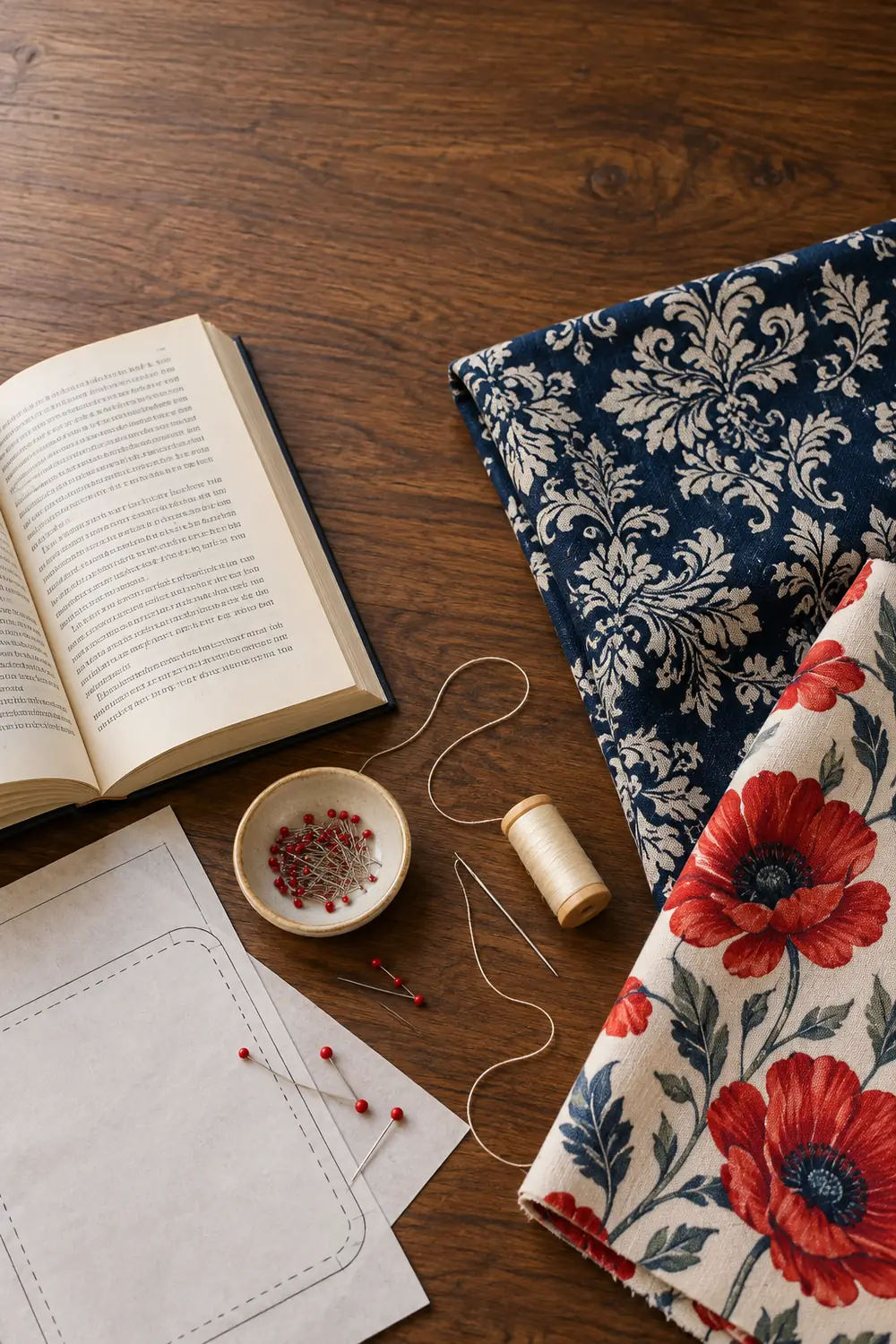
The first useful step is not a shopping cart or a perfect pattern. It is choosing one book that regularly travels with me. I will measure its height, width, and thickness, then fold a paper template around it so there is enough room to slide the book in without bending its corners.
A sleeve for a slim paperback will not necessarily fit a chunky hardback. One versatile size is tempting, but a too-large sleeve can let a small book rattle around. I would rather make the first one for a book I know and adjust the next version after I have handled it.
Charmed Tip: Test the paper template with the thickest book you expect to carry. Leave room for seams and padding before calling the size final.
03 / Make the plain version before the precious one
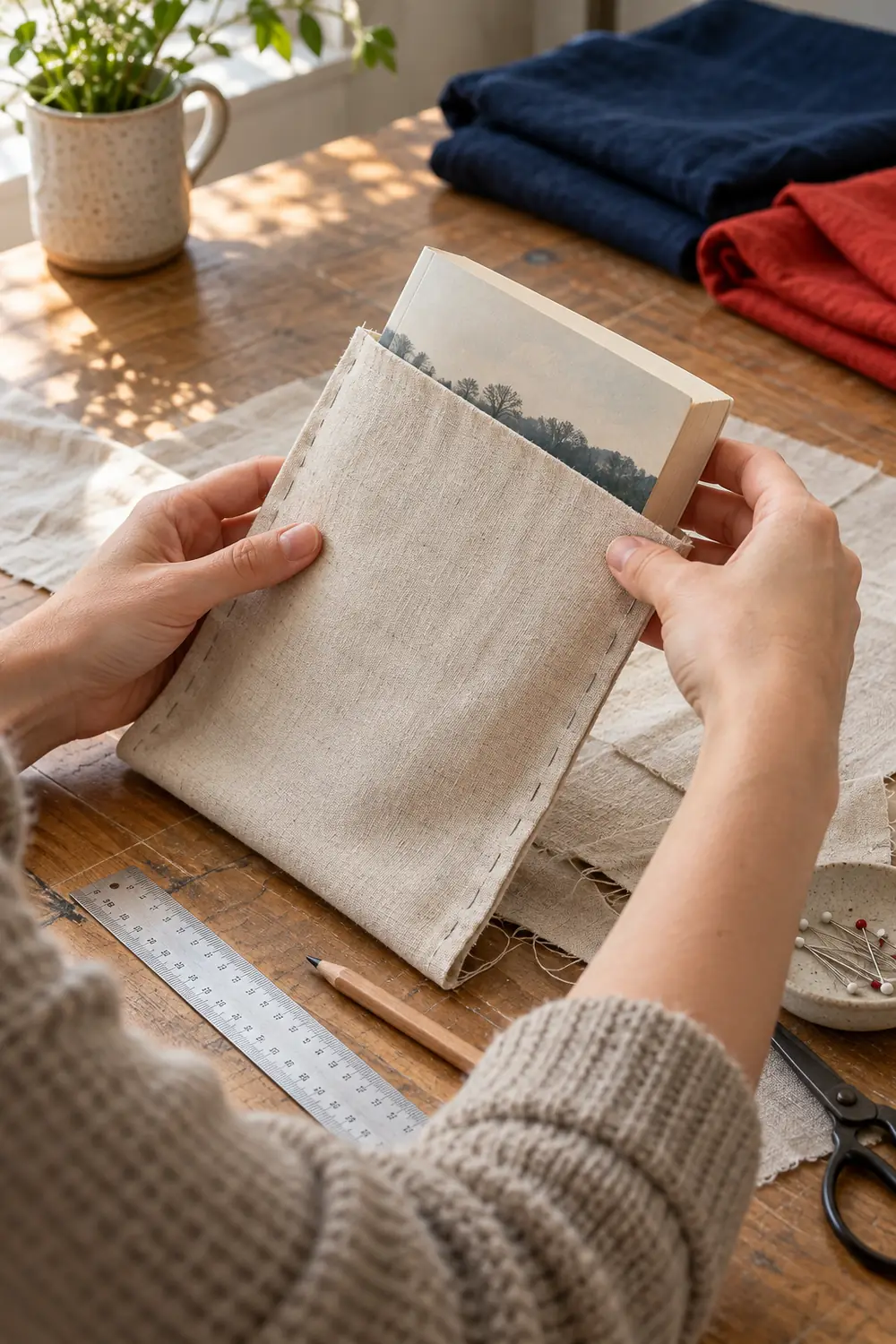
I want the first stitches to go into scrap fabric, not into the wildflower print I just bought. A practice sleeve will tell me whether the opening is wide enough, whether the corners are bulky, and whether I need a little padding for the way I carry books.
The lightest sleeve will fold neatly into a bag, while a padded one offers more structure and takes up more space. Neither is automatically better. I will choose after the sample, then cut the good cloth with some confidence.
Charmed Tip: Slide the book in and out several times. If the corners catch, change the pattern now, not after the lining is attached.
04 / Keep the memory in the print
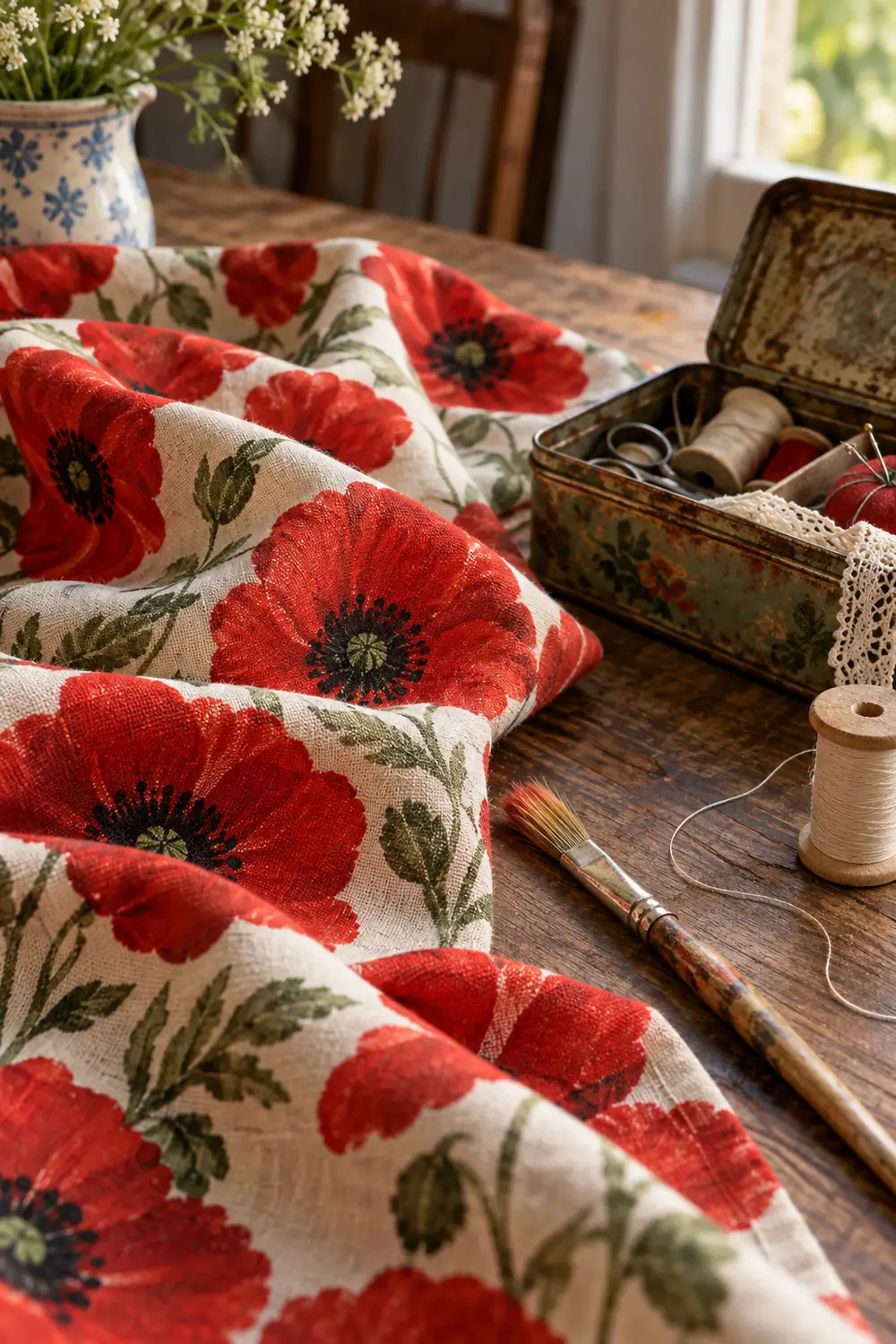
“Grandmacore” is a convenient name for the vintage-looking prints and needlework people are loving again. For me, the deeper part is personal. My grandmother sewed. My mother-in-law crocheted and did punch needle, and I loved the gifts she made for my children.
Those gifts were not just decorative. They held someone’s time. The wildflower fabric speaks to me for a similar reason: its poppy-like red blooms remind me of my mother’s painting. I do not need to reproduce her work or turn it into a motif. The association is enough.
Charmed Tip: Use a remembered color, print, or texture without trying to copy a loved one’s work exactly. A small connection can carry the whole project.
05 / Buy for one project, not a fantasy craft room
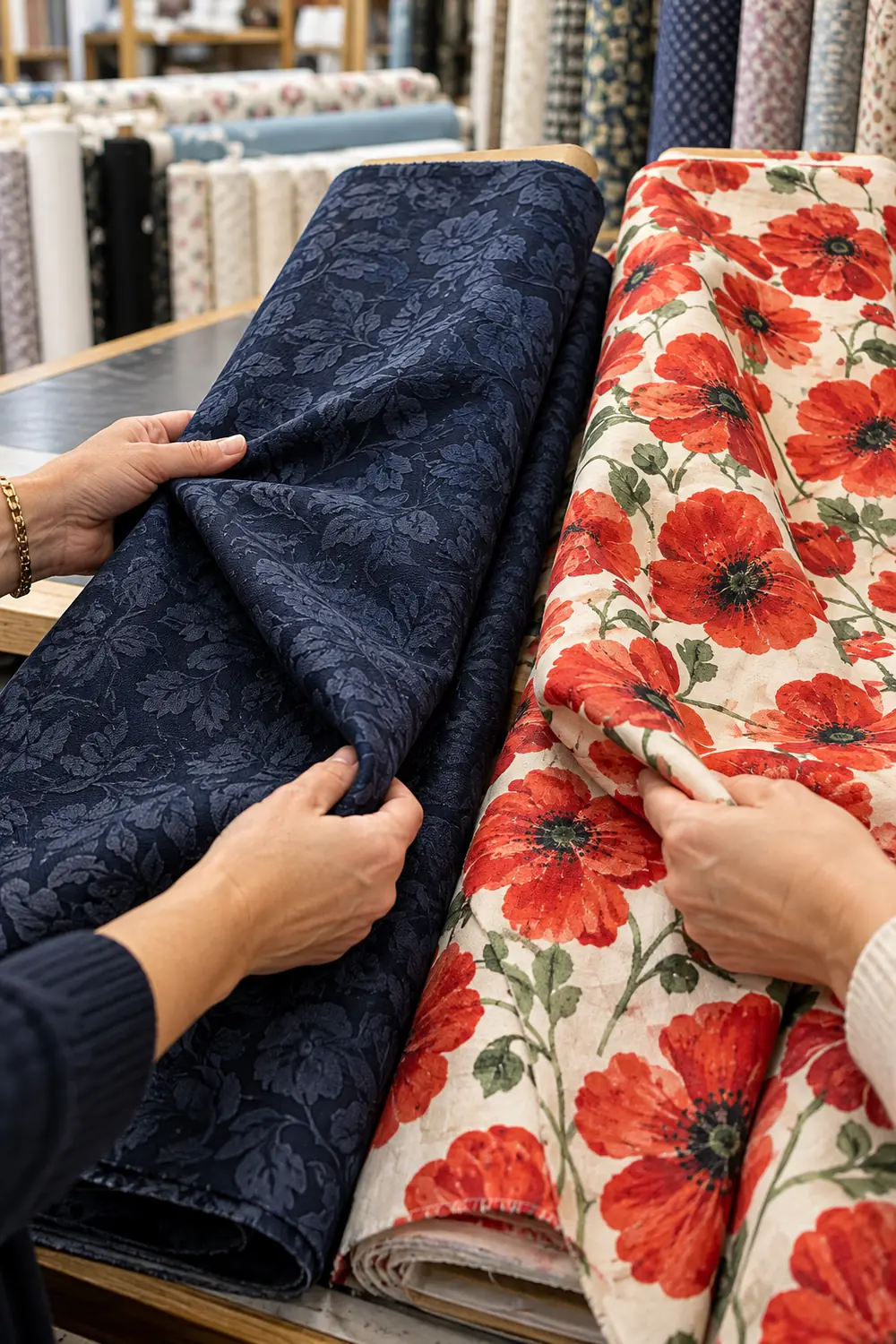
Going to the sewing store to pick out fabric makes me feel like I am in a candy store. I love the texture first, then the color, then the little jolt of imagining what a piece could become. Saturday’s trip gave me that feeling again.
I also came back to making things partly because finances were tight. I am not going to pretend a basket of supplies is free or that every handmade project saves money. What helps is buying for the book sleeve I am ready to make, using tools I already own, and letting the next idea wait its turn.
Charmed Tip: Before checkout, name the first object each piece will become. If you cannot, photograph the fabric and leave it for another trip.
06 / Put punch needle on the next-project list
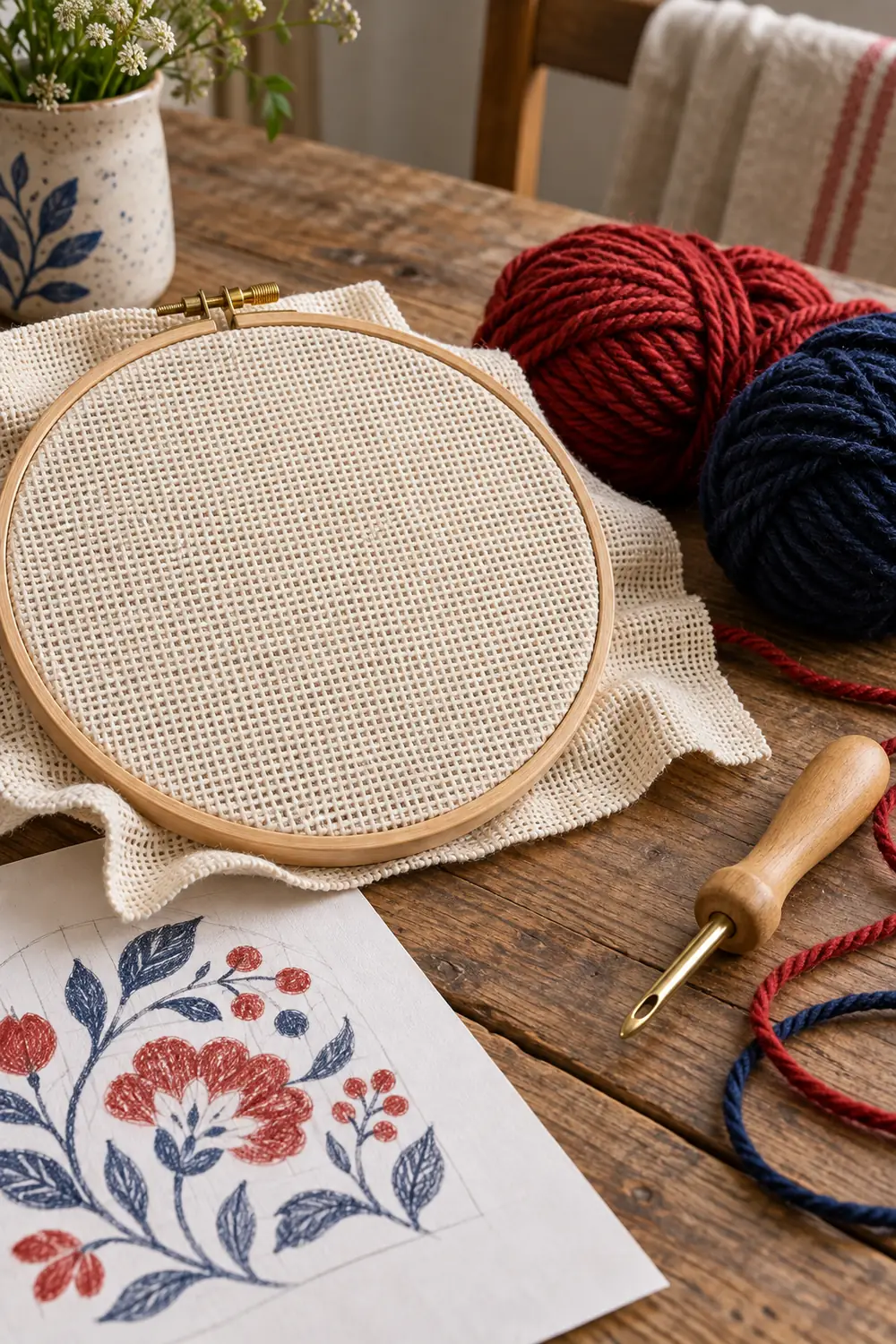
After the book sleeves, I want to make a small punch-needle cushion. My mother-in-law’s work makes me curious about the technique, especially the raised loops that give a plain shape so much life. I have not made this cushion or tested a pattern yet.
The first trial should be a small motif on suitable foundation cloth, held taut in a hoop or frame. DMC explains why the fabric weave has to suit the needle and yarn. An old T-shirt or towel might have another use in the project, but it is not a stand-in for the punch-needle foundation.
Charmed Tip: Choose the needle, yarn, and foundation cloth as a compatible set. Start with one small motif before committing to a whole cushion front.
07 / Give old fabric a job it can do well
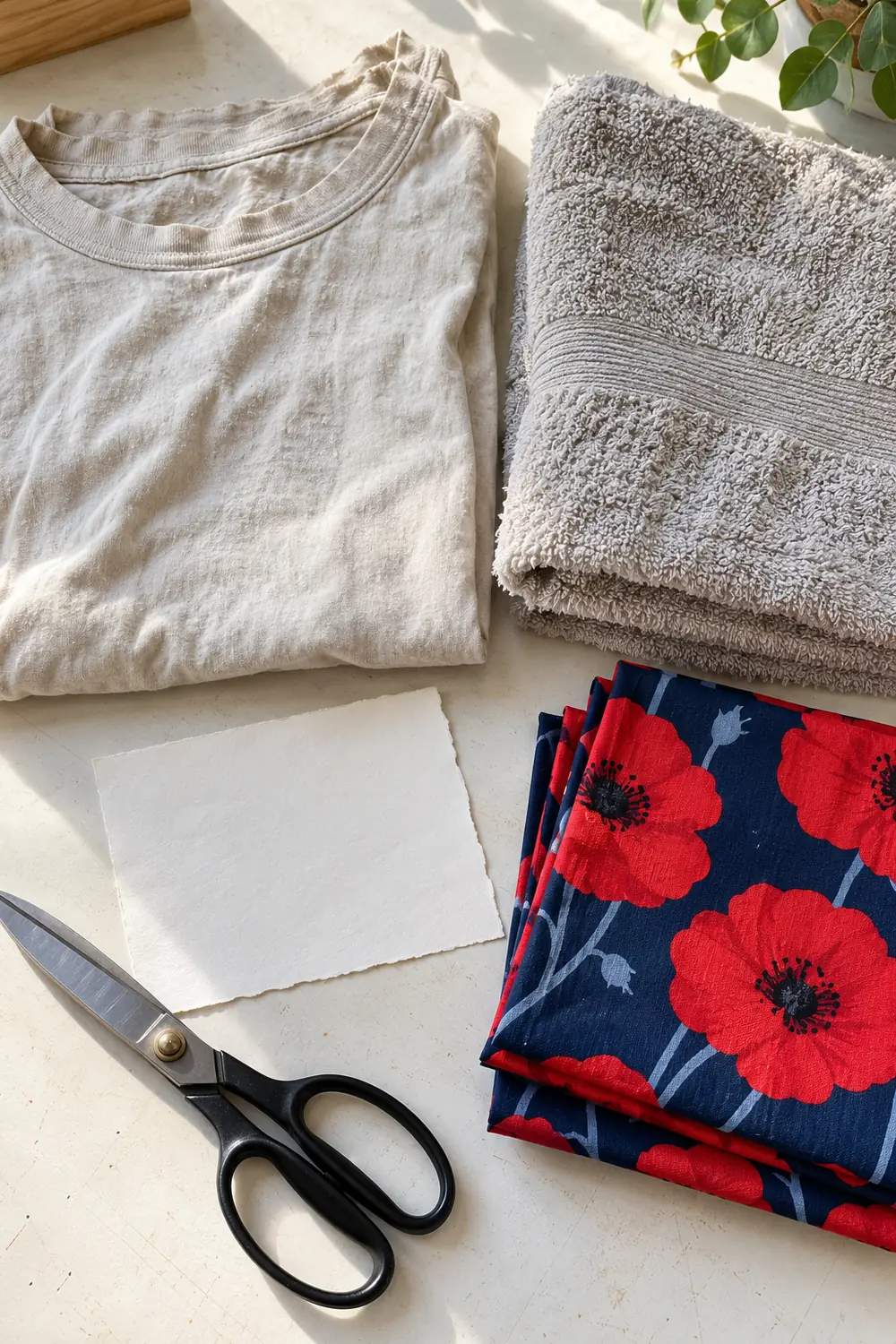
I also want to reuse fabric from old T-shirts and towels. A T-shirt is soft and stretchy; a towel is absorbent, bulky, and prone to shedding little loops when cut. I cannot treat either like the woven fabric I bought for the book sleeves.
That difference can be useful. A stable piece of an old T-shirt might become a memory patch after a small test. Worn towels could become washable cleaning cloths. The point is not to force every scrap into a decorative project. It is to notice what the material already does well.
Charmed Tip: Wash and inspect reused fabric first. Skip weak or stained areas and test how it behaves before cutting a large piece.
Where I Am Starting
The book sleeve comes first because the fabric is here and a book is waiting. I can measure it, make a sample, and decide which print should face out. The punch-needle cushion can wait its turn. Slow crafting is allowed to be slow.
This is my project plan, not a tested book-sleeve pattern. I will add my own finished photos, exact measurements, and any lessons from the first sew after I make it.
Leave a Reply