
This post may contain affiliate links, including Amazon and Walmart Creator links. If you buy through my links, I may earn a commission at no extra cost to you. As an Amazon Associate I earn from qualifying purchases. Walmart links may be paid links.
I like organizing.
I really do. A sorted, calmer, easier space makes me feel like a functioning adult.
But I have to be in the mood. Sound familiar?
I am not always the person who wants to spend a Saturday sorting bins, making labels, and pretending the junk drawer has a moral lesson for me. At my age, I have been through these lessons often. Check.
So I understand the person who hates organizing.
Or at least hates taking the time to do it.
For the rest of us, organizing has to be easier than the mess. Otherwise the mess wins by Wednesday.
Nobody here is chasing a perfect home. I want fewer tiny piles, fewer lost things, and fewer moments where I open a cabinet and quietly shut it again.
Please don’t slam the door.
Everything on this list is simple, reasonably pretty, and realistic for someone who does not want organizing to become a hobby. You might get inspired like I did.
No personality transplant required.
Charmed Tip
Start with the spot that annoys you most. One tiny fix you actually use is better than a whole system you abandon by Thursday.
1. Start With A Drop Zone
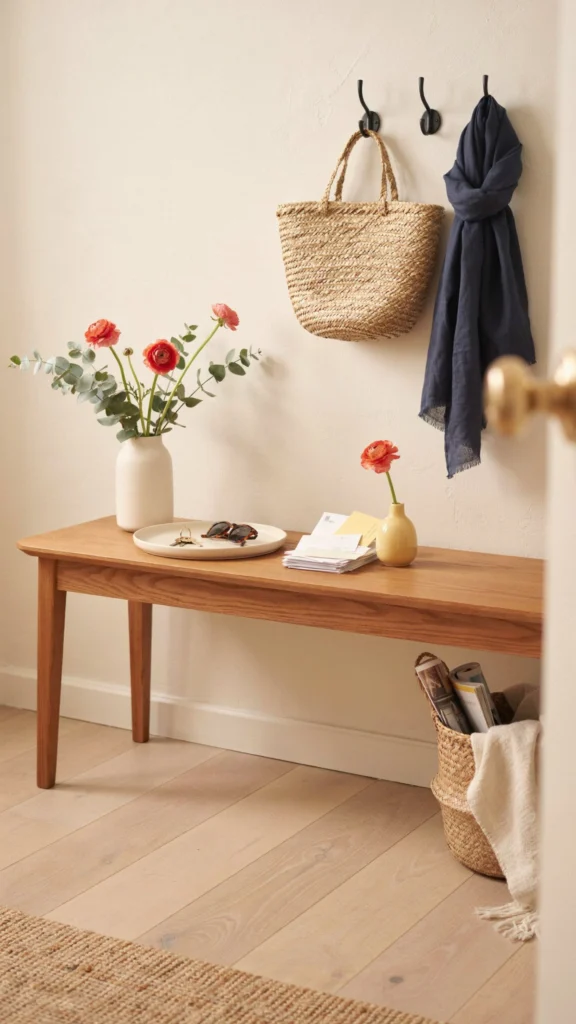
A small tray, a basket, and a few hooks can stop the daily pile before it reaches the kitchen counter.
What You Might Need
- Catch-All Tray
- Mail Basket or Tray
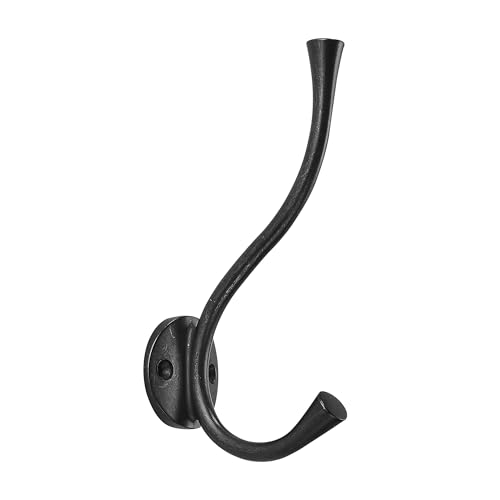
- Wall Hooks
- Woven Entryway Basket
Shop the Look:

A pretty landing spot for keys, sunglasses, and small daily clutter you will want to grab
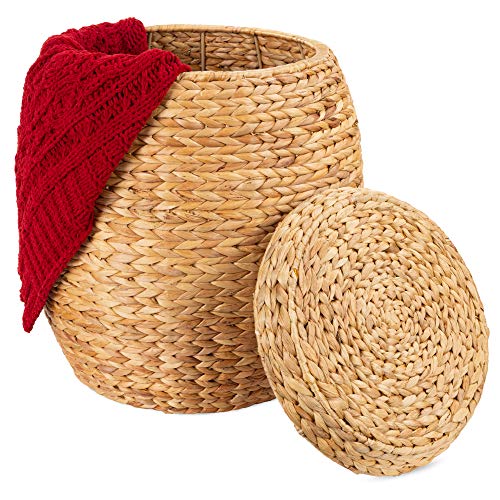
A softer way to hide visual clutter in an entryway, closet or living room

Keeps mail upright instead of spreading across the table.
Most clutter starts because things have no landing spot. Mail lands on the counter. Keys land in a coat pocket. Sunglasses vanish into a tote bag.
By Thursday the whole house is collecting evidence of your errands.
Start right at the door. You do not need a full mudroom with extensive shelving, you only one small place for the things you carry in and out.
Try this:
- a tray for keys and sunglasses
- a basket for the mail
- a hook for your everyday bag
- a small dish for earbuds and lip balm
It works because it respects your real routine. You walk in, you drop the things, they have somewhere to go.
That is the whole system.
2. Use Open Bins for Things You Touch Daily
Open bins work because they remove the extra step. No lid. No fuss.
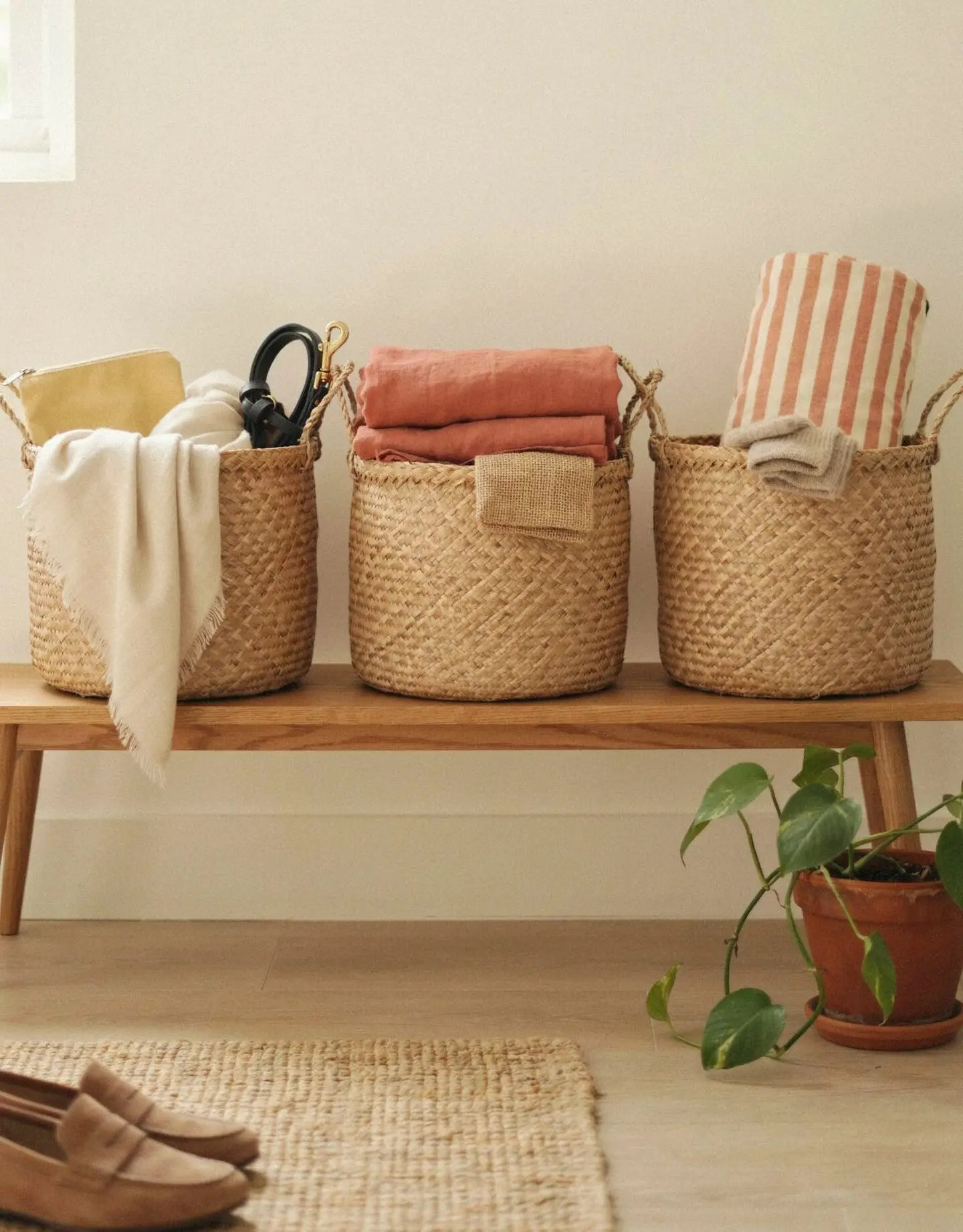

A pretty landing spot for shoes and bags by the door. The woven shelf keeps things tucked away without making the entry feel heavy.
Lids are beautiful. They are also a tiny obstacle. And tiny obstacles are where organizing systems fall apart.
I know this about myself.
If I have to remove a lid every single time, I am less likely to put the thing back.
If you use something every day, try an open bin.
This works well for:
- workout gear
- scarves and gloves
- pet supplies
- reusable bags
- hair tools
- snacks
What You Might Need
- soft rope baskets for living spaces
- open woven baskets for shelves
- fabric bins for closets
- shelf baskets for daily-use items
Shop the Look:

One basket, countless uses—store books, towels, toiletries, or snacks in any room.

Elegant and cozy touch to your space.
The bin does not need to hide everything. It just needs to gather the mess.
That is the difference between a pile and a system.
Choose bins that look good sitting out. Woven, canvas, rope, or soft fabric usually feels warmer than plastic.
Pretty matters here.
If you like looking at it, you are more likely to use it.
3. Give Every Room a Reset Basket
One basket catches the things that wandered. Then you can reset the room without making it a whole project.
A reset basket is for things that belong somewhere else.
That is it.
Put one in the living room. Put one near the stairs. Put one in the bedroom if clothes migrate there.
When random items appear, toss them in.
Later, walk the basket around and put things back.
This is useful because it keeps clutter from spreading across every surface. It also makes cleanup less dramatic.
You are not cleaning the whole room.
You are collecting the wanderers.
That feels doable.
Pick a basket with handles if you can. It makes the reset easier. It also makes the whole thing feel intentional instead of accidental.
What You Might Need
- handled floor basket
- rope basket
- lidded basket
- woven storage basket
4. Make the First Shelf the Useful Shelf
The easiest shelf to reach should hold the things you use most.
This sounds obvious.
It is often not how cabinets end up.
I have definitely put the pretty serving bowl at eye level and shoved the daily containers into the dark corner.
Then the cabinet feels annoying every single morning.
Open one cabinet.
Ask one question: What do I reach for most?
Move those things to the best spot.
Move rare items higher, lower, or farther back.
Your home should serve your everyday Tuesday.
Not your imaginary dinner party era.
What You Might Need
- shelf risers
- clear bins
- lid organizers
- food container organizers

A simple riser for making counters feel less crowded. It works for spices, coffee mugs, daily vitamins, or the little things that keep taking over the kitchen.

Package of 2. A small fix for the cabinet chaos nobody wants to deal with. It keeps lids, pans, and cutting boards upright so you are not digging through a noisy stack every time you cook.
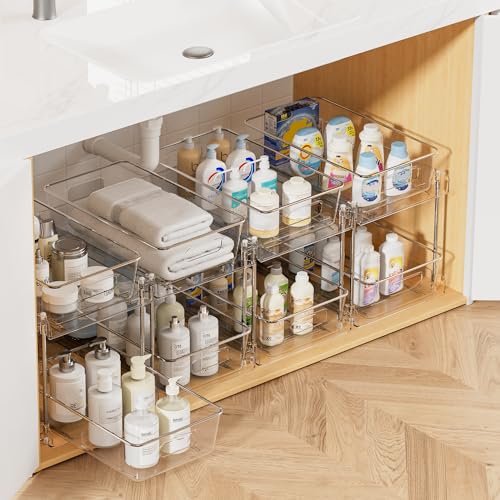
Great for under sinks, pantry shelves, bathroom cabinets, or any spot where small items disappear.

A simple clear bin that works almost anywhere. Use it for snacks, cleaning bottles, bathroom extras, or kid clutter so loose items look contained instead of scattered.
5. Create a Maybe Box
Not ready to donate it? Test life without it first.
I have to practice what I preach here. I created a Maybe Bag that sat in my closet for a few months. Nothing was used or sold. I finally donated it.
Decluttering gets hard when every decision feels permanent.
That is where a maybe box helps.
Put items in the box when you are not sure.
Add a date.
If you do not miss them in 30 to 60 days, let them go.
This works for:
- extra mugs
- old cables
- kitchen gadgets
- beauty products
- decor you keep moving around
- hobby supplies
The maybe box gives your brain a softer exit.
You are not making a dramatic life choice. You are running a small test.
This felt kinder.
And honestly, kinder systems usually last longer.
6. Use Clear Containers Only Where They Help
Use clear bins when seeing the contents matters. Use solid baskets when visual calm matters more.
Clear containers can be wonderful. They can also make every cabinet look like a tiny warehouse.
Use clear bins where you can see the contents helps.
Use solid baskets when the contents are visually loud.
Good places for clear bins:
- pantry backups
- medicine cabinet extras
- craft supplies
- small toys
- hair accessories
Good places for solid baskets:
- living room shelves
- entryway clutter
- laundry supplies
- bedside odds and ends
- anything with too many colors
The goal is not to display every object you own.
The goal is calm.
Sometimes calm is clear…Sometimes calm is hidden.
What You Might Need
- shelf risers
- clear bins
- lid organizers
- food container organizers
7. Store Things Where You Actually Use Them
The easiest organizing system is the one that follows your real routine.
Forget where things are supposed to go for a minute.
Where do you actually use them?
If you open packages in the kitchen, keep scissors there. If you take vitamins with coffee, store them near the mugs.
If you sort laundry in the hallway, put a basket there. This is one of the easiest fixes because it removes friction.
You are not asking yourself to remember a new routine.
You are building around the routine you already have.
At your desk, keep the things you reach for within easy reach and clear away what belongs elsewhere. Once the surface is usable again, create a more inviting home office with a keyboard chosen for how it feels and sounds, not just its color.
8. Use the One In, One Out Rule for Problem Categories
Do not apply this rule to your whole life. That gets annoying fast.
Use it for the categories that keep getting out of control.
Good candidates:
- mugs
- candles
- tote bags
- water bottles
- leggings
- throw pillows
- beauty products
When one comes in, one leaves.
This is not about being strict.
It is about protecting the space you already have.
The trick is to pick one category at a time. Start where the clutter is most obvious.
9. Keep Labels Broad
A good label should make the next decision easier. When I have used the labels to identify contents, I so appreciate my past self at a later time.
Labels are useful when they help you move faster.
They are not useful when they turn your pantry into a full administrative department.
Use broad labels.
Try:
- snacks
- baking
- breakfast
- cleaning
- travel
- batteries
- hair
- first aid
Skip labels like miscellaneous.
That is just clutter wearing a name tag.
What You Might Need
- label clips
- simple label maker
- blank labels
Shop the Look:

4 Label Tapes Included!

6 X 4 Inch Removable Labels for Storage Bins. Easy for the Eye to See!
10. Make a 15 Minute Sunday Reset
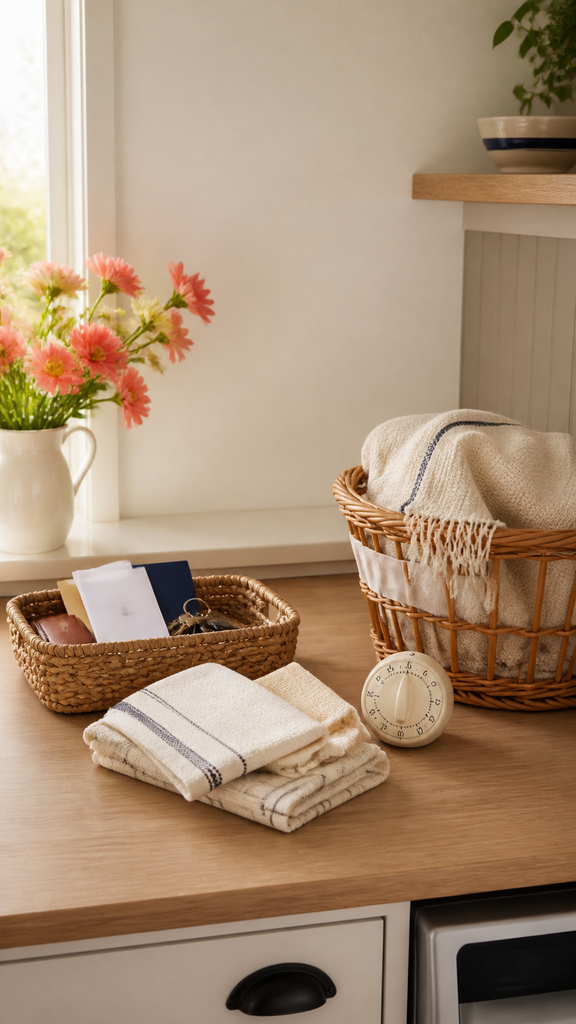
A reset is not a deep clean. It is a short sweep that makes the next day feel less chaotic.
A reset is not a deep clean. It’s a quick and short sweep.
This distinction matters. I don’t know about you, but I like a reset that has an ending.
A timer keeps it from becoming a whole Sunday situation.
Try this on Sunday:
- clear the kitchen counters
- empty the reset basket
- toss old food from the fridge
- put shoes back by the door
- restock toilet paper
- finish one load of laundry
What You Might Need
- kitchen counter basket
- simple timer
- dish towels
- laundry basket

Natural Jute Rope Baskets for Shelves for every organizational need

Cool, retro look with stripes.18 by 28-Inch. Set of 3.

Couch and wrap yourself in cozy! 50×70 size. Soft Striped Throw Blanket for Couch, Sofa, Bed, Travel, Lightweight Fluffy Warm Plush Decorative Blanket
11. Lower the Bar Until the System Works
If a system keeps failing, make it easier.
If your organizing system keeps failing, lower the bar.
Use a bigger basket. Remove the lid. Move the hook lower.
Label less. Store fewer things in that drawer.
A system that looks average and gets used is better than a beautiful system you resent.
This is the part people forget.
Organizing is not about proving you can maintain a perfect setup. It is about making your home easier to live in.
If it only works when you have a free afternoon and a fresh iced coffee, bless it and move on.
My Final Thoughts…
I do not think you need to become an organizing person.
You need a few systems that meet you where you already are.
Start with one small spot.
The entryway. The bathroom drawer. The kitchen counter that collects everything.
Make that one place easier. Then do another.
That is how a home starts to feel lighter. Not all at once.
Just one less pile at a time.
Once you have cleared a little space, you do not need to fill it again. These small home upgrades that make rooms feel better focus on simple changes such as warmer lighting and better curtain placement.
Comments
4 responses to “11 Organizing Ideas for People Who Hate Organizing”
[…] 11 Organizing Ideas for People Who Hate Organizing → […]
[…] the next room easier with 11 organizing ideas for people who hate organizing, or bring the same sensory thinking to your desk with aesthetic keyboards and ASMR for a home […]
[…] 11 Organizing Ideas for People Who Hate Organizing → […]
[…] Organizing Ideas for People Who Hate Organizing: give hats and gloves a consistent place by the door.Easy Christmas Gifts to Sew: add a handmade finishing touch to the season. […]